Efficient propulsion
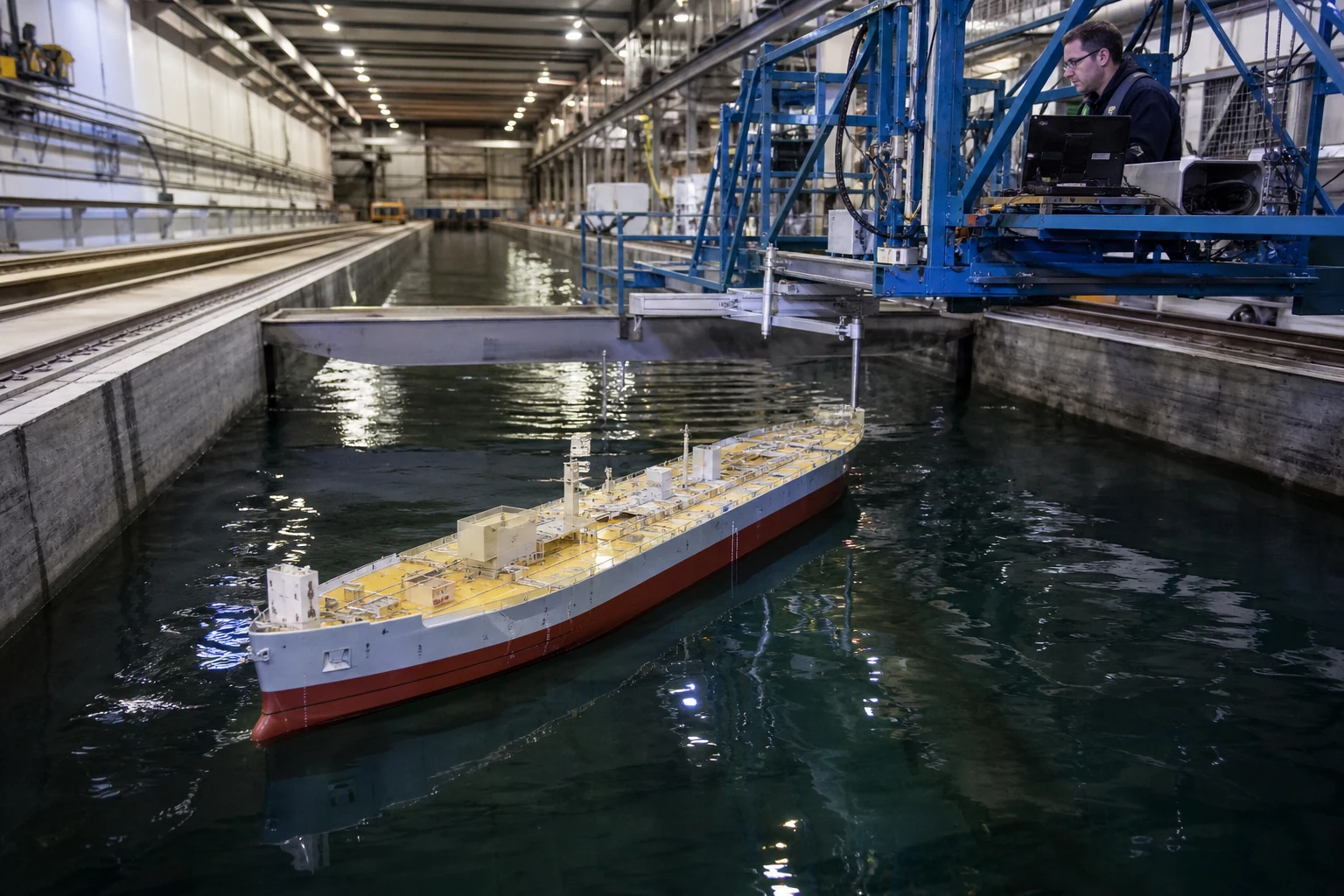
Resistance, power and wake analysis for lower fuel use and emissions.
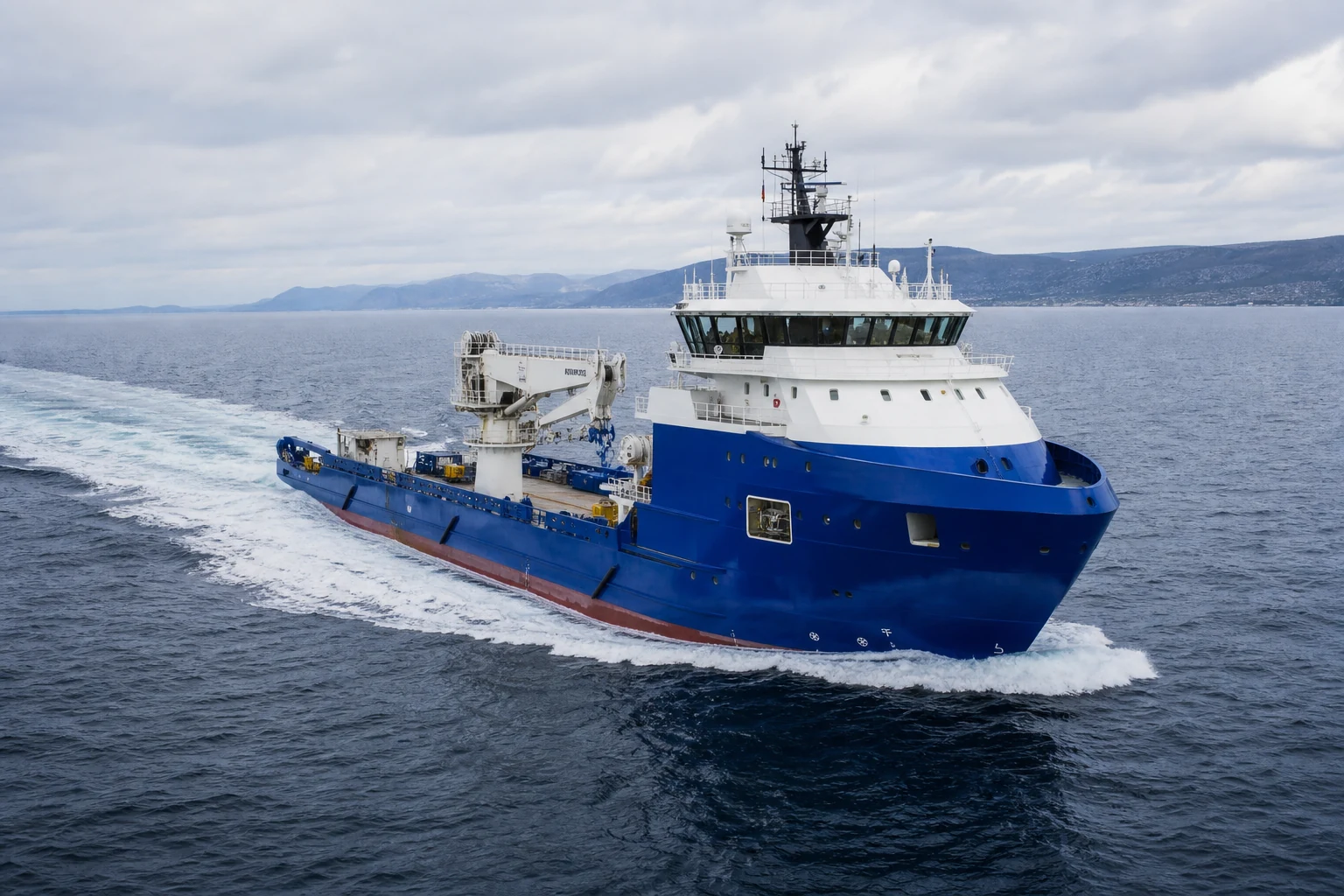
Advanced hydrodynamic and aerodynamic analysis helps optimise hulls, propulsion, offshore systems and onboard environments across the vessel lifecycle.
Resistance, power and wake analysis for lower fuel use and emissions.
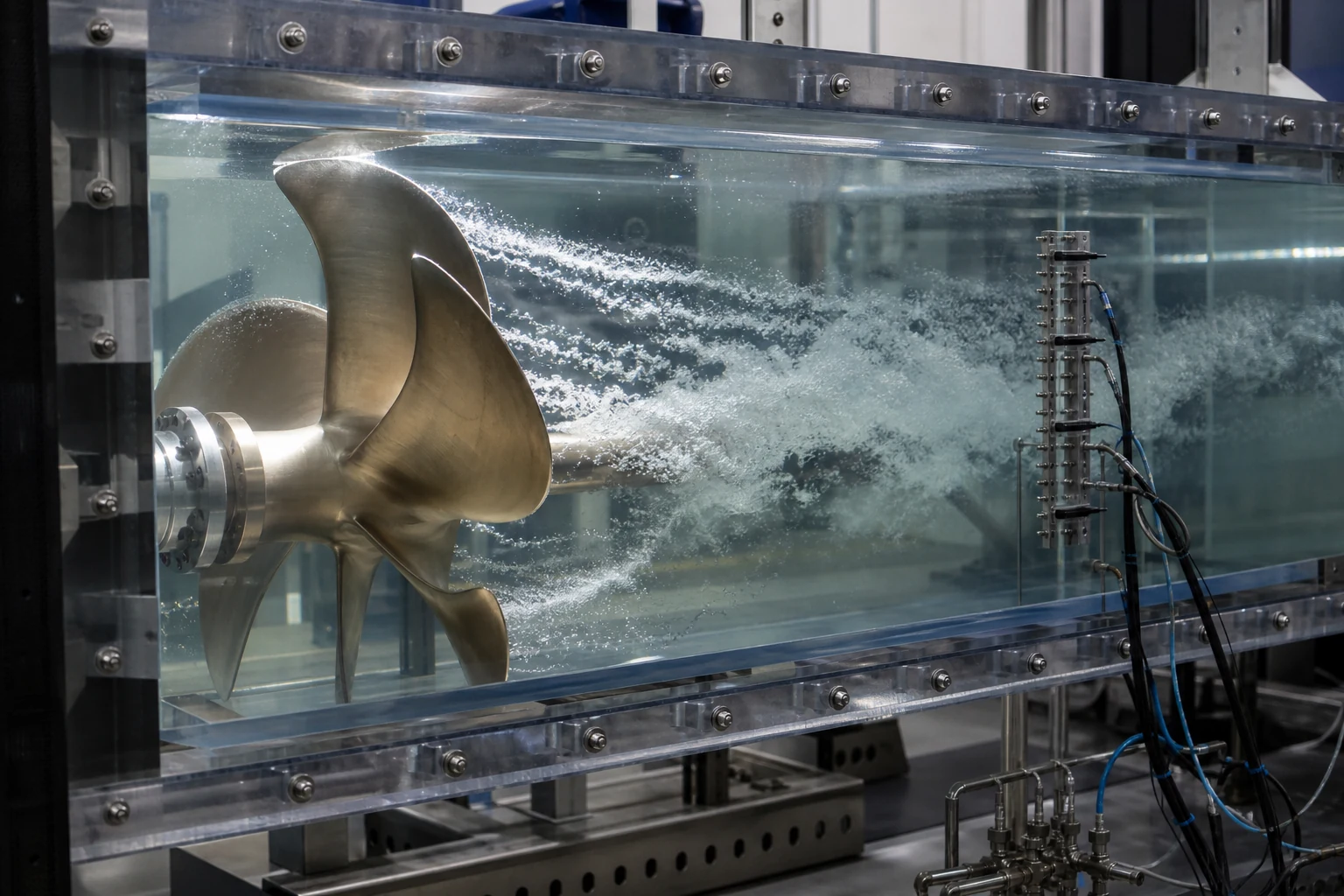
Prediction of damaging cavitation zones and propeller interaction.
Mooring, riser and sloshing behaviour under waves and current.
Deck comfort and superstructure aerodynamics in realistic winds.
We use simulation and engineering analysis to predict vessel behaviour, reduce power demand, manage dynamic loads and improve safety for ships and offshore assets.
Hydrodynamic simulation to predict ship resistance, power demand and propulsion performance.
Iterative geometry development to improve hydrodynamic efficiency without losing practical constraints.
Prediction of pressure fields and cavitation risk around propellers and interacting hull geometry.
Dynamic response assessment under combined environmental loading.
Fluid-motion and load prediction for tanks during vessel operation.
Performance insight from calm water to complex operating conditions.
Resistance. Propulsion. Cavitation. Mooring. Sloshing.
Set operating profile, loading, sea states and performance targets.
Prepare hull, appendage, propeller or offshore-system geometry.
Resolve hydrodynamic, aerodynamic and dynamic behaviour.
Evaluate alternatives against power, safety and operability criteria.
Refine the design and document verified recommendations.
Advanced hydrodynamic and aerodynamic analysis helps optimise hulls, propulsion, offshore systems and onboard environments across the vessel lifecycle.